Comprehending Robotic Vision: Why It Is Essential for Modern Automation Processes
Robotic vision represents a significant advancement in automation technology. It allows equipments to assess visual information, boosting their capability to perform jobs with precision. This capability is changing markets by improving efficiency and lowering human mistake. The combination of robotic vision additionally postures difficulties. Understanding its effects is important for businesses aiming to stay affordable. What variables affect its fostering, and exactly how can business take advantage of this modern technology successfully?
The Principles of Robotic Vision Technology
Robotic vision innovation serves as the backbone of automation in different sectors, making it possible for makers to regard and analyze their surroundings. This technology integrates sophisticated imaging systems, such as electronic cameras and sensing units, with sophisticated algorithms that refine aesthetic data. By catching photos and assessing them in real-time, robotic vision allows devices to determine things, assess their positions, and make notified choices based upon aesthetic input.Key parts of robot vision consist of picture handling methods, artificial intelligence versions, and deepness perception systems, which function jointly to improve a robot's understanding of its environment. Calibration and environmental flexibility are additionally vital, making sure that systems can work properly under varied problems. This fundamental modern technology not only boosts functional effectiveness but additionally boosts security by enabling robots to browse complicated atmospheres while decreasing mistakes and accidents. As sectors remain to develop, the value of durable robotic vision modern technology stays extremely important in driving development and efficiency.
Trick Applications of Robotic Vision in Sector
The application of robot vision modern technology covers a variety of markets, significantly enhancing functional capacities and efficiency. In production, robot vision systems allow specific assessment and quality control, making certain products fulfill strict criteria. In the vehicle sector, these systems help in jobs such as component assembly and defect discovery, improving production lines.In logistics, robot vision plays a crucial function in automated product handling, allowing robotics to browse complex settings and accurately determine items for arranging and packing. The food market utilizes robotic vision for arranging and product packaging, ensuring uniformity and compliance with health regulations.Additionally, in healthcare, robot vision aids in procedures and diagnostics, offering boosted precision and reducing risks. On the whole, the varied applications of robotic vision technology add to boosted efficiency and advancement throughout multiple fields, demonstrating its importance in modern commercial procedures.
Advantages of Applying Robotic Vision Equipments
Carrying out robot vision systems supplies many advantages that significantly improve operational effectiveness and accuracy across numerous sectors. These systems make it possible for devices to perceive and interpret their environments, causing improved decision-making procedures. Boosted accuracy in tasks such as quality assurance and arranging lessens human mistake, ensuring regular item standards.Moreover, robot vision systems can run constantly, raising performance while lowering labor expenses. They are capable of doing complex tasks at high speeds, enabling faster manufacturing cycles. The integration of innovative imaging technologies assists in real-time information collection, equipping firms to assess performance metrics and improve operations.Additionally, the versatility of robotic vision systems allows them to be utilized in diverse applications, from automotive production line to food product packaging. By giving reliable and precise automation options, these systems aid companies maintain an one-upmanship in a significantly automated industry, highlighting their essential function in contemporary production atmospheres.
Difficulties and Limitations of Robotic Vision
While robotic vision systems use significant advantages, click this site they likewise face a number of obstacles and restrictions that can prevent their performance. One primary obstacle is the variability in lighting conditions, which can considerably influence picture quality and lead to misinterpretation of aesthetic information. In addition, the intricacy of real-world environments, filled with vibrant things and differing textures, poses difficulties in things recognition and tracking.Another restriction is the dependency on high-quality sensors and advanced algorithms, which can be costly and require extensive calibration. Furthermore, robot vision systems may fight with deepness assumption and three-dimensional understanding, specifically in chaotic settings. optical fibre diameter analyser.Finally, the integration of robot vision with existing automation systems can be intricate, needing comprehensive training and programs. These obstacles underscore the relevance of continuous r & d to improve the abilities and integrity of robotic vision modern technologies in numerous applications
The Future of Robotic Vision in Automation
The future of robotic vision in automation promises considerable innovations in boosted object acknowledgment and enhanced navigating systems. As technology evolves, these advancements will certainly make it possible for robotics to communicate more successfully with their environments and perform intricate jobs with higher accuracy. This development is anticipated to redefine operational abilities throughout various sectors.
Enhanced Things Acknowledgment


Boosted object acknowledgment stands at the center of advancements in robotic vision, transforming how automation systems regard and communicate with their settings. This innovation makes it possible for robotics to determine and categorize a large selection of objects with remarkable accuracy, assisting in extra efficient operations throughout numerous sectors. Making use of deep learning formulas and progressed imaging strategies, systems can acknowledge items in dynamic setups, adapting to modifications in illumination, angles, and occlusions. As an outcome, improved things acknowledgment not only simplifies processes such as sorting, choosing, and quality assurance however also decreases mistakes and enhances productivity. The constant advancement in this area assures to additionally incorporate robotics into everyday jobs, significantly improving functional efficiency and leading the way for smarter automation solutions.
Improved Navigation Systems
Developments in navigating systems are positioned to revolutionize robotic vision in automation, enabling robots to pass through complex environments with unmatched precision. By integrating advanced sensing units, expert system, and artificial intelligence algorithms, these systems help with real-time mapping and localization. This enables robots to adjust to dynamic environments, preventing obstacles and optimizing courses efficiently. Improved navigating capabilities equip robotics to perform jobs in numerous setups, from warehouses to medical care centers, improving performance and safety and security. Additionally, the continual development of these technologies assures to reduce operational costs by minimizing mistakes and downtime. As the demand for automation rises, his comment is here enhanced navigation systems will certainly play an essential duty fit the future of robotic vision, ensuring smooth combination right into everyday operations.
Integrating Robotic Vision With Various Other Technologies
Integrating robot vision with various other technologies greatly enhances automation abilities throughout different sectors. By incorporating innovative imaging systems with fabricated knowledge, machine knowing, and Web of Things (IoT) connectivity, organizations can attain unmatched effectiveness and precision in their procedures. Robotic vision can be utilized in combination with equipment discovering algorithms to enhance item recognition and decision-making procedures, making it possible for robots to adapt to vibrant environments.Additionally, when integrated with IoT gadgets, robot vision systems can assist in real-time data evaluation and responses loops, enhancing operations and reducing downtime. This synergy enables for accurate quality assurance and anticipating upkeep, eventually lessening functional prices. Integration with joint robotics (cobots) improves human-robot communication, making automation more secure and more effective in settings where human oversight is necessary. As a result, the convergence of robotic vision with corresponding innovations is critical for driving innovation and efficiency in contemporary automation procedures.
Frequently Asked Questions
How Does Robotic Vision Differ From Human Vision?
What Kinds of Cameras Are Used in Robotic Vision?
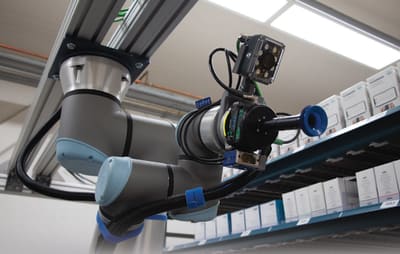
Various sorts of video cameras are made use of in robotic vision, consisting of CCD, CMOS, and deepness cams. robotic vision. These electronic cameras make it possible for robotics to view their environment, promoting tasks such as item recognition, navigation, and high quality assessment in automated systems
Can Robotic Vision Systems Pick Up From Experience?
Robotic vision systems can indeed discover from experience. Via try this innovative algorithms and artificial intelligence techniques, they adapt and boost their visual recognition capacities, enhancing their performance in various jobs in time as they process brand-new data.
How Do Illumination Issues Affect Robotic Vision Efficiency?
Illumination conditions significantly influence robotic vision performance by influencing picture comparison, shade accuracy, and object discovery capacities. Inadequate or excessive light can result in misconception of visual data, affecting the overall effectiveness of robot systems.
Are There Safety Issues With Making Use Of Robotic Vision?
Safety interest in robotic vision consist of possible false impressions of environments, leading to crashes. Insufficient sensor calibration or ecological adjustments can intensify these dangers, demanding strenuous screening and adherence to safety and security criteria for effective execution.